
Transcript
Announcer:
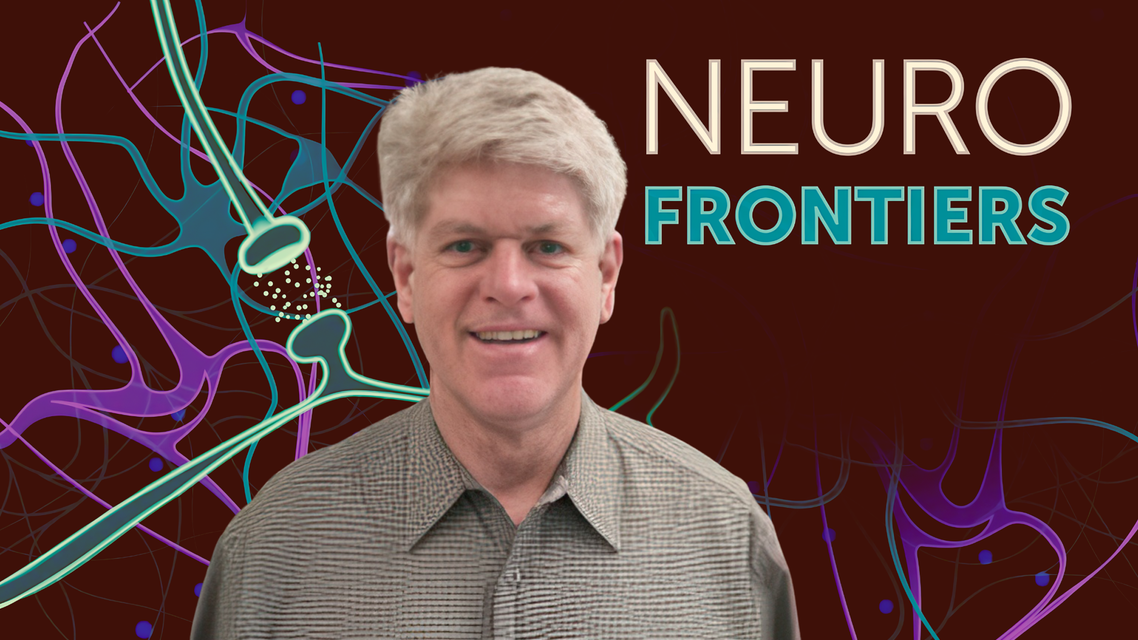
This is NeuroFrontiers on ReachMD. On this episode, we’re joined by Dr. James Swanson, who’s a Professor of Pediatrics at the University of California, Irvine School of Medicine and Founder of the Child Development Center at UC Irvine. Drawing on decades of ADHD research, Dr. Swanson discusses some of the field's most enduring unanswered questions and what they reveal about the unmet needs that remain today. Let’s hear from him now.
Dr. Swanson:
They're questions that I've been addressing for a long time. First of all is the historic debate about diagnosis, which was something we had in the late '90s, early 2000s. The difference between the ICD—International Classification of Diseases—definition of ADHD and the decision rules for diagnosis, the DSM criteria and decision rules for diagnosis were debated and essentially merged. And with DSM-5 and ICD-11, we have the same symptom list that's always been the same, almost, and the same decision rules.
Now, the epidemiologic or the administrative prevalence is about the same in most countries. So we've answered this, but we haven't really answered the question, "Well, which one is the best?" Is it better to have a high administrative prevalence in other agent, and then, in other words, a recognition rate of ADHD in the population? Or is it better to have a low recognition rate of more severe cases? I think that's an unanswered question, and I think clinicians are struggling with that. Currently, we have a high recognition rate. Maybe 10 or 12 percent of school-aged children get recognized and treated with ADHD. Should it be lower? I'm not sure, but that's a question that needs to be addressed in the next decade.
As far as treatment goes, how can we come up with a treatment with a stimulant medication that's very effective for ADHD that will be used over time in children who need it as they become adolescents and into adulthood? If you look at a prospective study, most people stop. A lot of adults are now treated, but there are new cases. What is the long-term effect when you start medication in adulthood? How do we get children who need to have medication over time continue it? These are unanswered questions that need to be addressed, and I can go on from there.
But those big questions about diagnosis, treatment, epidemiology, prognosis, and pathophysiology still have questions that need to be addressed and still can be used to identify critical unmet needs. And I think, rather than denying that we have limitations of treatment and diagnosis, we ought to address these issues. I'm not a naysayer, but I'm still not what I would call a yaysayer, either. I don't think we need to have a cheerleader type effect of saying that the diagnosis is necessary and treatment's effective.
By identifying limitations and dealing with limitations and unmet needs, I'm not denigrating the notion that there is a disorder, a condition, called ADHD, or that there's an effective treatment with medication, particularly the stimulants. I just think there are limitations, and there are clear unmet needs that need to be addressed. And I think those are the priorities that we ought to have over the next decade, to try to answer some of these questions and meet the needs of children and adolescents, as well as adults, with ADHD.
Announcer:
That was Dr. James Swanson talking about some of the most enduring challenges and unmet needs in ADHD research and care. To access this and other episodes in our series, visit NeuroFrontiers on ReachMD.com, where you can Be Part of the Knowledge. Thanks for listening!